+48 732 059 424info@steellogy.com
Mon–Fri 7:00–16:00 CET
Main pageAbout usSupplier infoContactGalleryBlogContact us
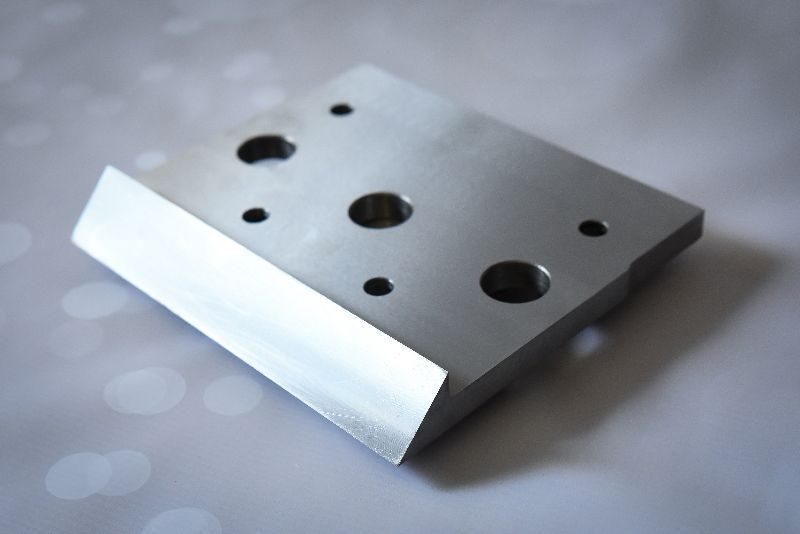
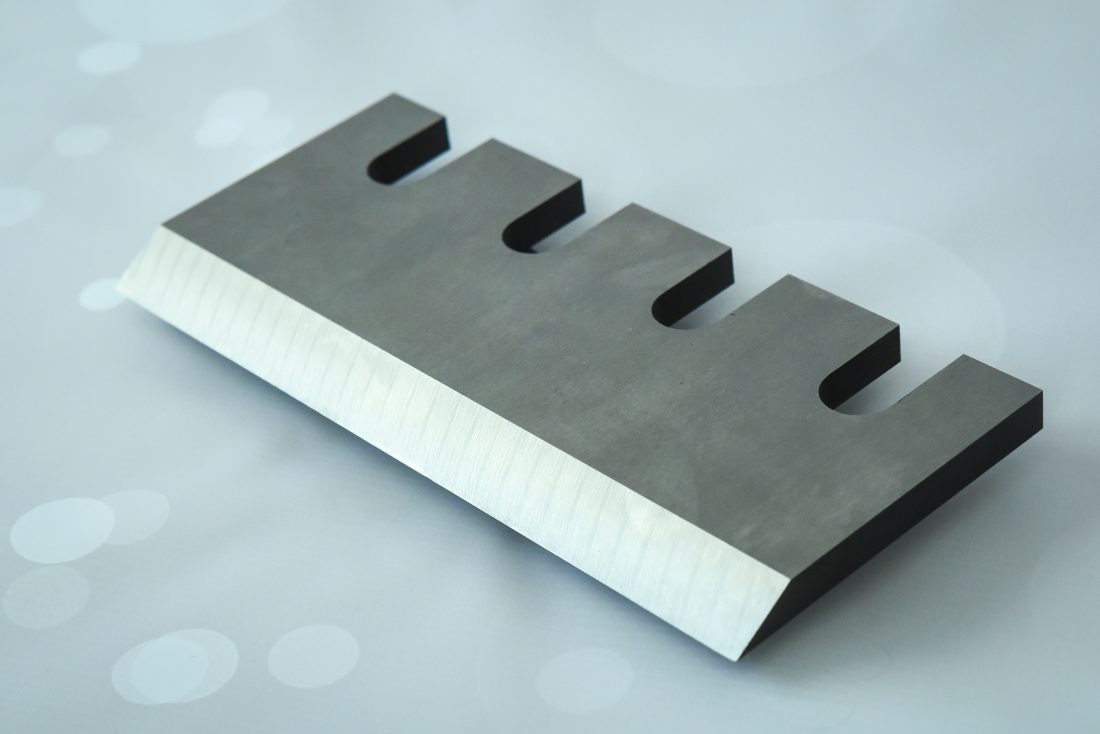
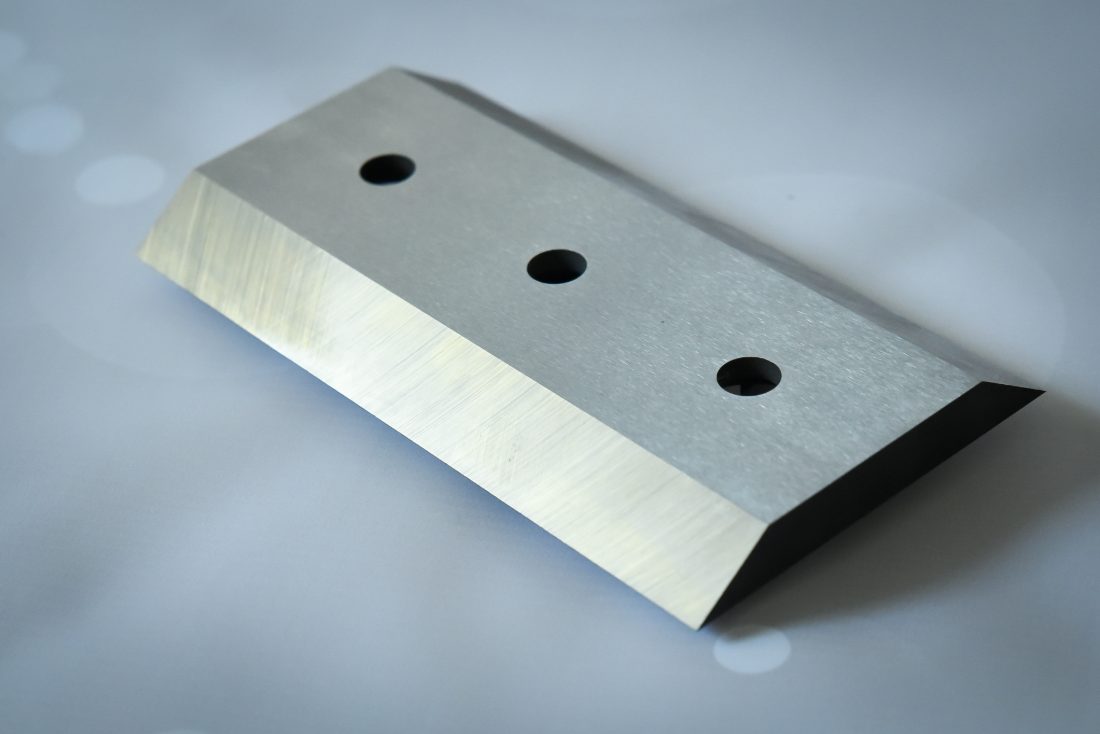
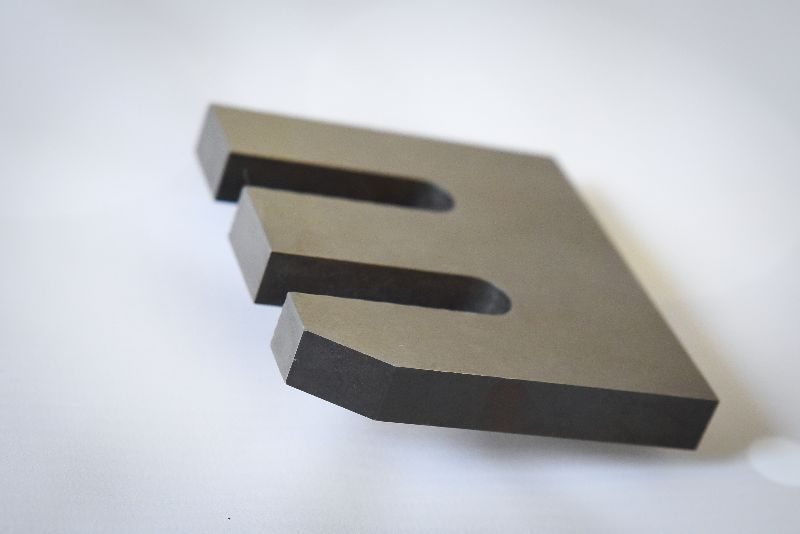
Industrial knives & cutting tools

Precision in every segment — cutting tools for wood, paper, metal, tobacco, food and recycling.

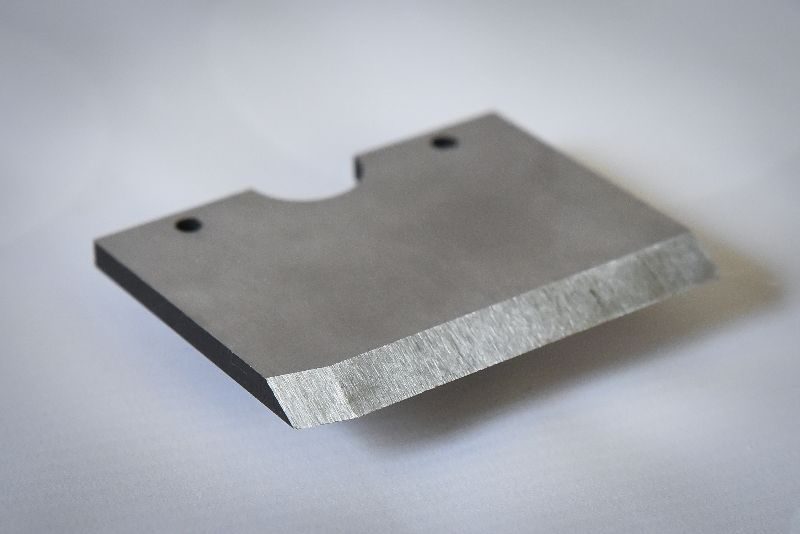
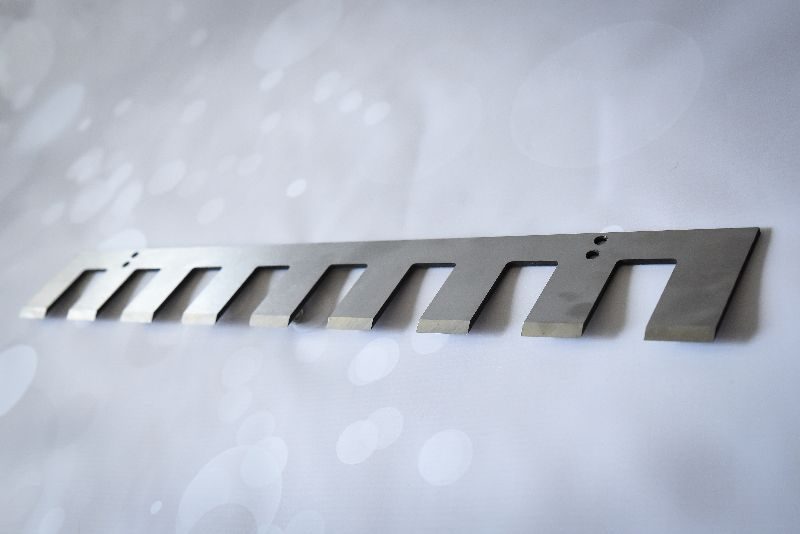
Replacement blades manufactured in our own EU facility, to customer drawings or worn samples.

Manufacturing since 1986
In-house production
Made to customer drawings

Products

Industrial knives and blades for six industries. Expand a card to read more.

Six segments, one standard of precision.
Swipe through and expand any card.

Wood industry

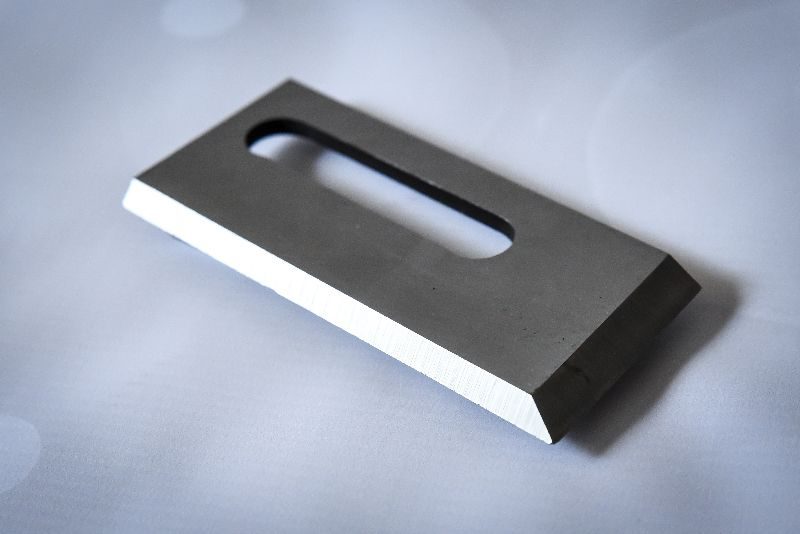
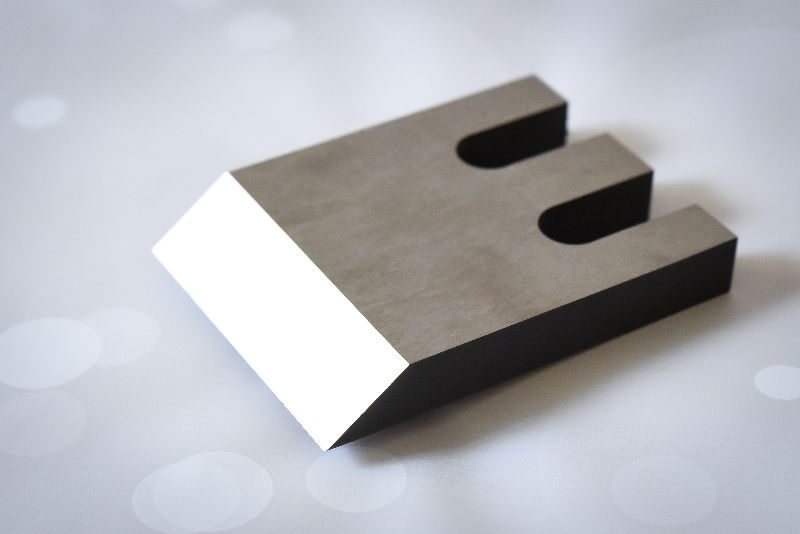
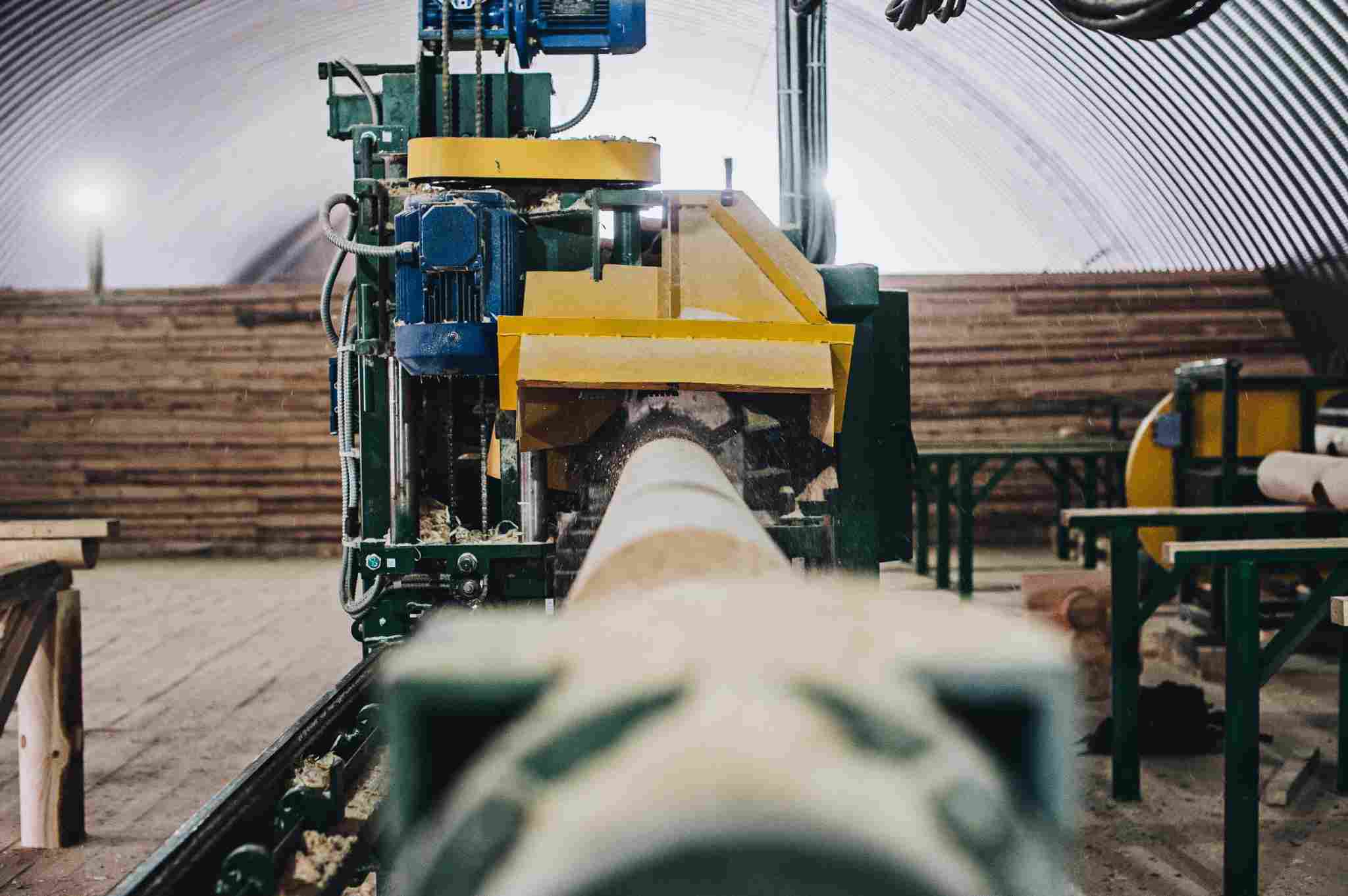
Steellogy manufactures chipper knives, canter and counter knives, flaker knives, planer and moulder knives, and rotary lathe knives for sawmills, chipping lines and panel plants. Our parts are made to fit machines from LINCK, EWD, USNR, HewSaw / Veisto, Söderhamn Eriksson, BRUKS, Hombak and Pallmann / Siempelkamp — from your drawing or a worn part, not from a catalogue number.

The process is the same for every order: send a technical drawing or a worn sample, and we confirm the steel grade, hardness and geometry before quoting within two working days. Heat treatment is carried out in our own facility, so the hardness stated in the order confirmation is controlled in-house.

Blade types for chippers, planers and debarkers — our wood industry knives guide

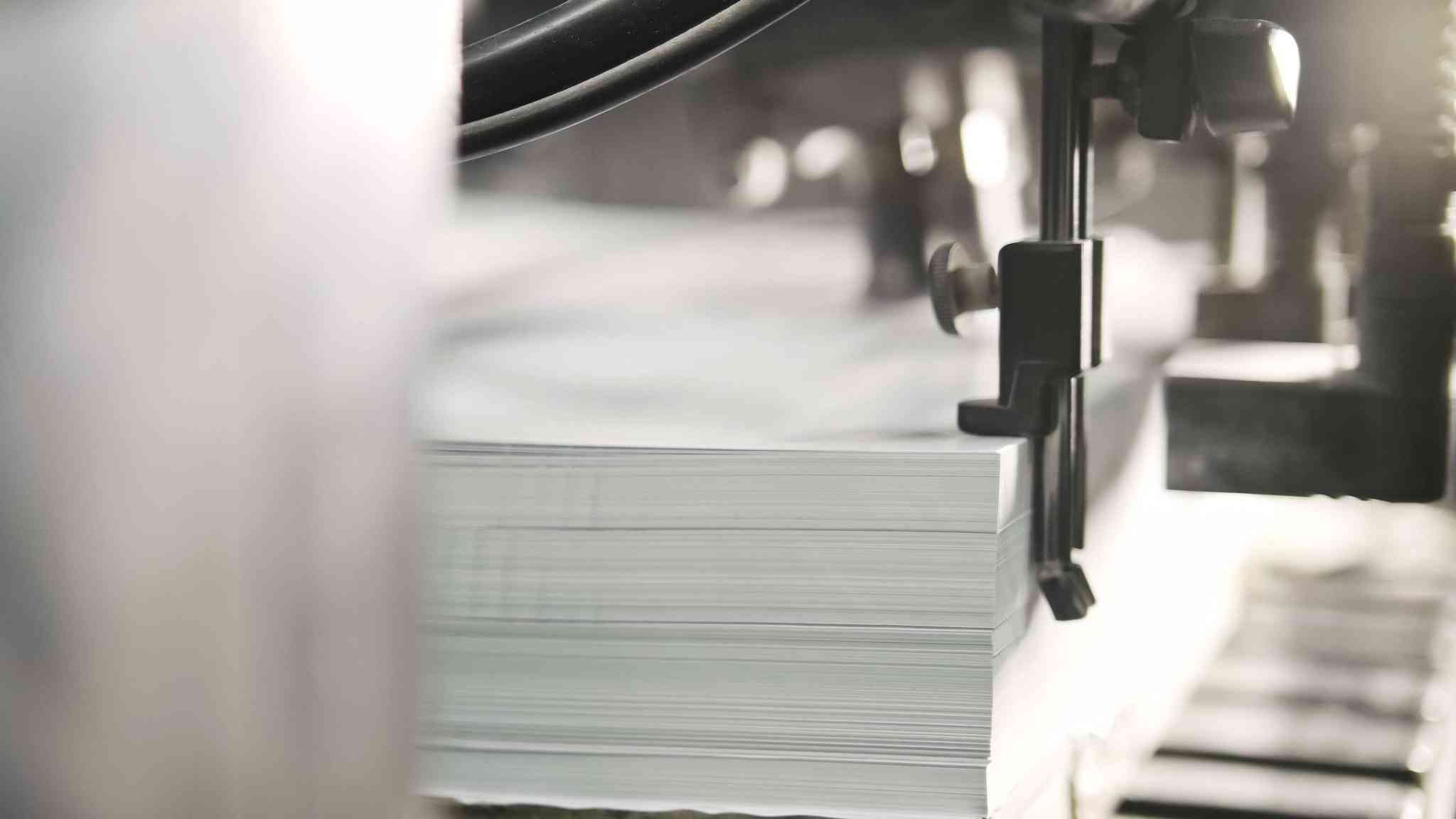
Paper industry

Steellogy manufactures guillotine blades, circular slitter knives, sheeter and cross-cutting knives, and counter knives for paper mills, converting plants and tissue lines — compatible with machines from Kampf, Goebel IMS, Pasaban, Hunkeler, BOBST and Windmöller & Hölscher.

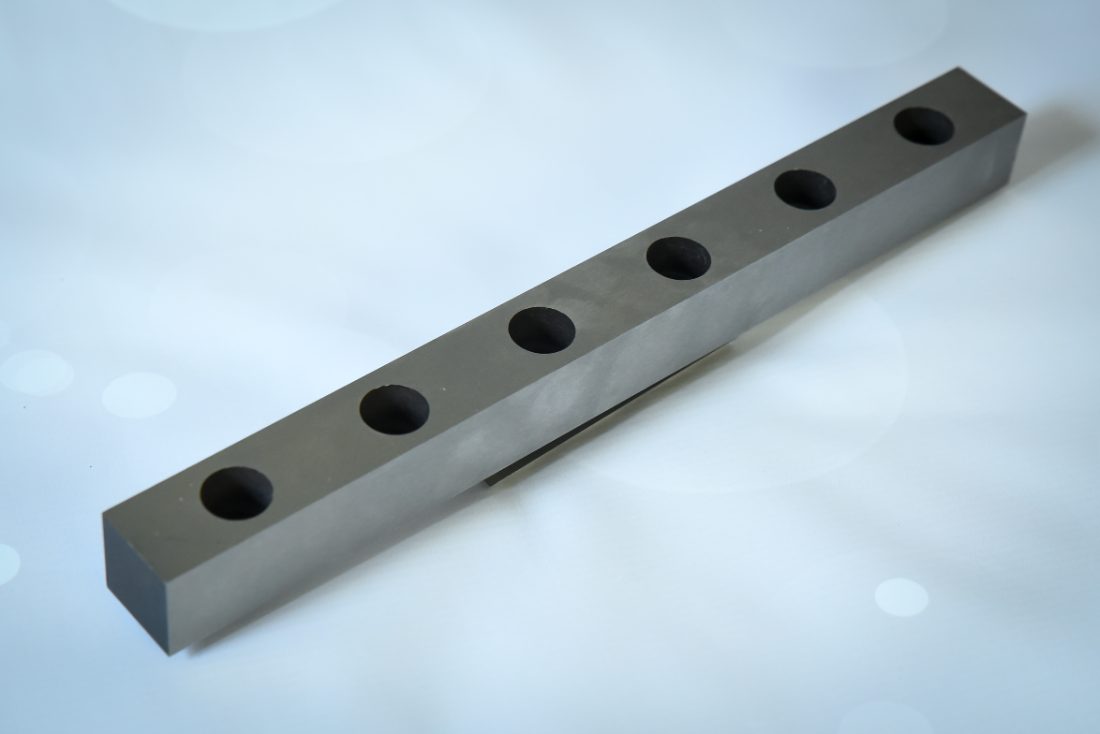
Guillotine and slitter knives are model-specific by length, hole pattern and bore, so every order starts with your technical drawing or a worn blade we measure ourselves. We confirm steel grade, hardness and geometry, then quote within two working days — with material, hardness and tolerances stated in the quotation.

Flat, circular and perforating blades compared — our paper and board cutting article

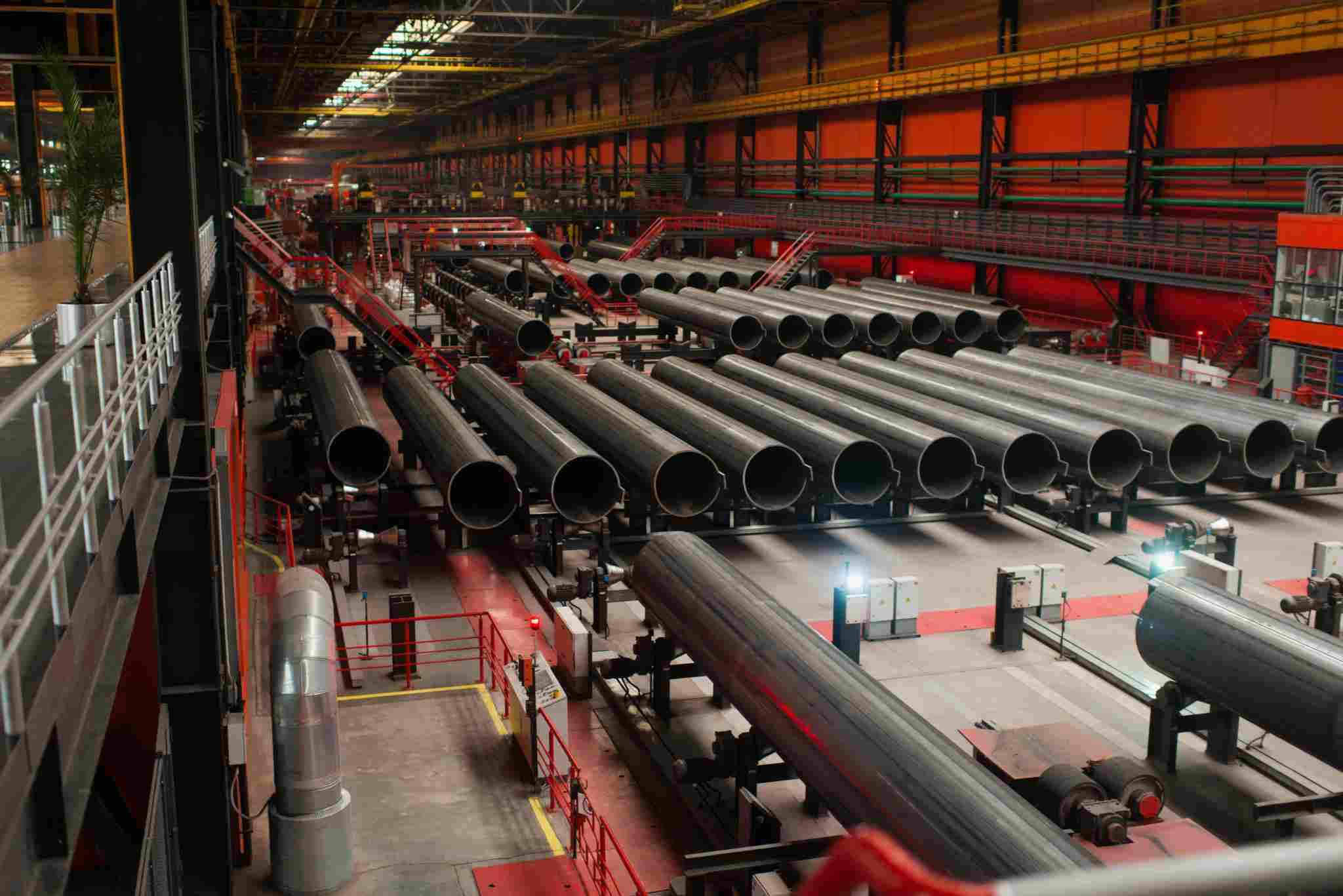
Metal industry

Steellogy manufactures shear blades and slitting knives for cut-to-length and slitting lines, and guillotine blades for hydraulic and mechanical shears — compatible with sheet-metal machines from Amada, TRUMPF, LVD, HACO, Baykal, Durma and Ermaksan.

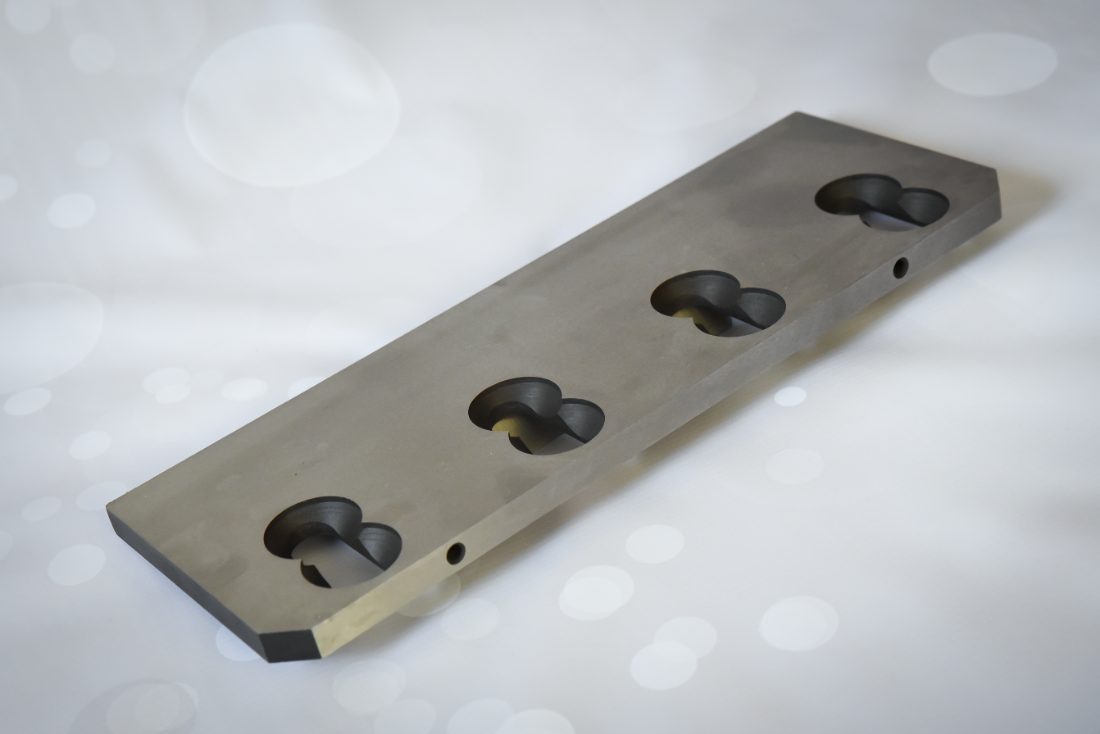
Send a drawing or a worn blade: we confirm the steel grade for the metal you cut, the hardness for the duty, and the geometry, then quote within two working days. Where the design allows, shear blades are ground with four usable edges, so one blade covers four service intervals.

Guillotine knives and circular slitter blades explained — our metal industry knives guide

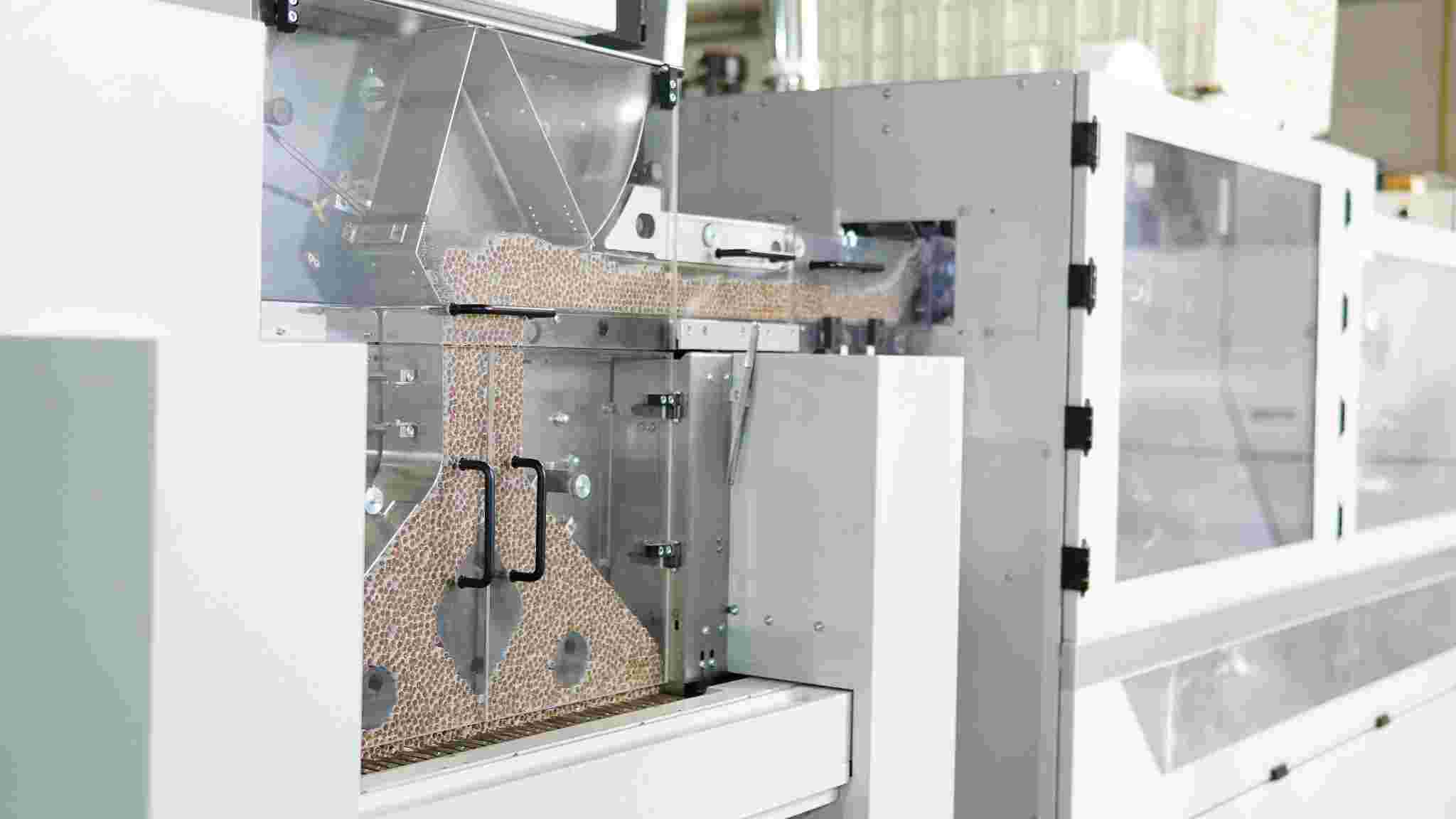
Tobacco industry

Steellogy manufactures tobacco cutter knives, cigarette and filter cut-off knives, counter and bed knives, and tipping and film knives for tobacco processing lines — including Körber / Hauni KT-series cutters and Protos makers.

OEM steel grade and hardness for tobacco knives are not published, so every order starts with a technical drawing or a worn sample. From those we confirm material, hardness and edge geometry, maintain a consistent edge finish across repeat deliveries, and quote within two working days.

Material and design requirements for blades cutting film, filters and tobacco — our tobacco industry knives article

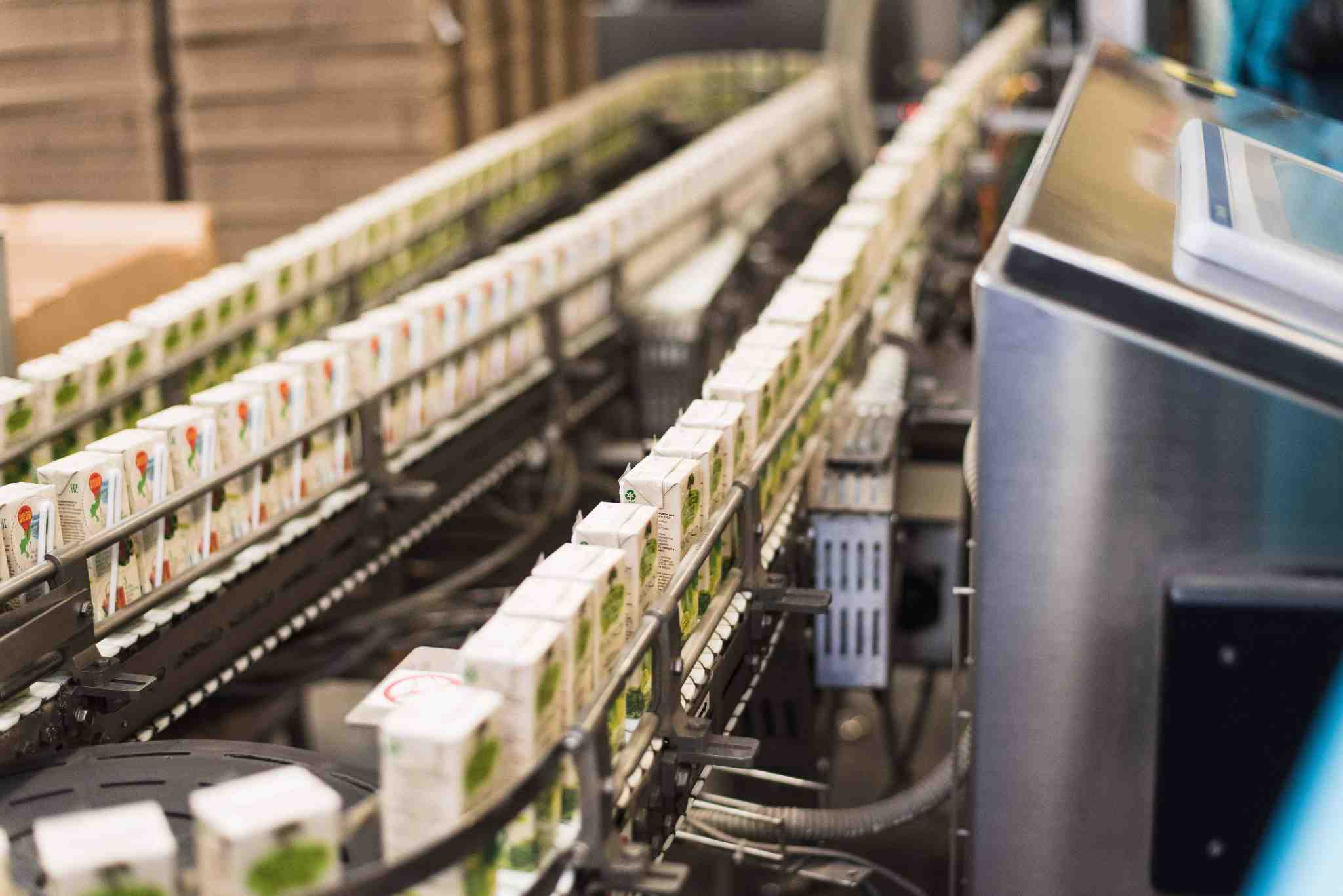
Food industry

Steellogy manufactures circular slicer blades, dicing knives and grids, portioning knives, and bowl-cutter and mincer knives for meat, cheese, bakery and vegetable processing — made to fit machines from GEA, Marel, TREIF, Urschel, Holac, Weber, Provisur and FAM Stumabo.

From a drawing or a worn part we confirm a corrosion-resistant grade, the hardness and the geometry, then quote within two working days. Food-contact requirements are checked for each part and stated in the quotation.

Recycling industry

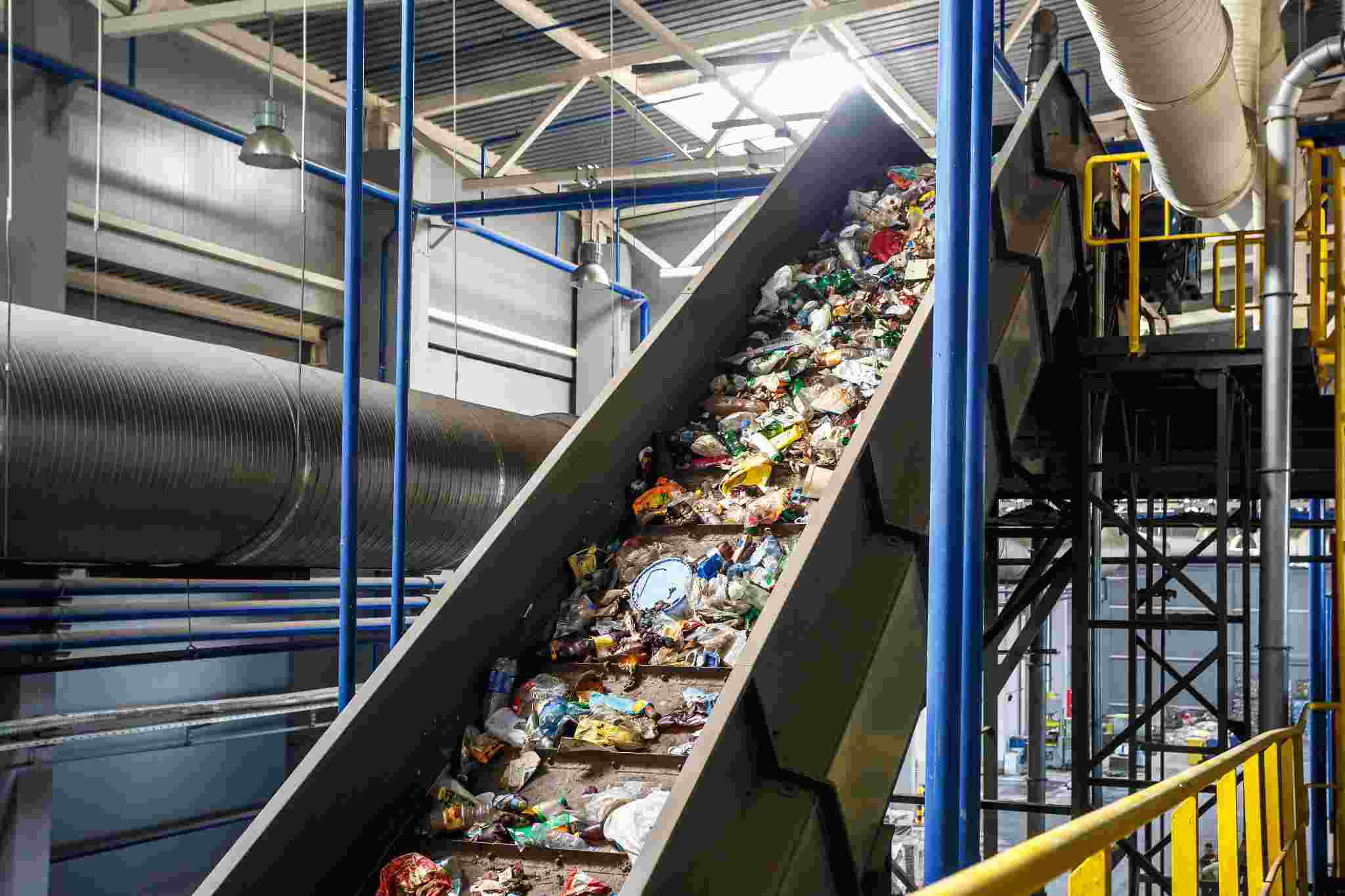
Steellogy manufactures rotor knives, counter and bed knives, and granulator knives for single- and multi-shaft shredders and granulators — compatible with machines from Lindner, UNTHA, Vecoplan, WEIMA, ZERMA, HAMMEL, Doppstadt and Komptech.

Send a drawing or a worn knife and we confirm grade, hardness and geometry before quoting. For granulator knives in D2 / 1.2379 we follow the steel producer's own application guidance — Uddeholm's datasheet puts granulator knives at 56–60 HRC — with the delivered hardness stated on the order confirmation.

How geometry, steel grade and heat treatment are matched to the feedstock — our recycling knives guide

When an independent source may be appropriate

Each of these three sourcing situations calls for a different qualification process. Choose the route that fits your requirement.

Repeat orders for wear parts

Once a part has been qualified, the economics depend on repeatability: the part can be reordered with the same approved revision, material and inspection scope, without repeating the qualification process.

See how repeat orders are handledSend a repeat-part RFQ
Working with Steellogy

The terms we put in writing before the first order.

Request a quote
Response to an enquiry
Quotation within two working days, with material specification and lead time.
Material control
Steel grade agreed per order. Any inspection or documentation requirements are specified in the RFQ and confirmed in the quotation.
Technical documentation
We work from dimensioned drawings and common 2D and 3D formats, including STEP, IGES, STL, Parasolid and native CAD files.
Complaint procedure
Documented internal process — root cause, response, corrective action.
Delivery terms
EXW, FCA or DAP under Incoterms 2020, agreed per order.
Confidentiality
An NDA is available before drawings or samples are exchanged.
Request a quote

Compatible with

Our blades are engineered to fit OEM machinery from leading manufacturers.

Engineered to fit OEM machinery from leading manufacturers.

Bandit Industries
HACO
Windmöller & Hölscher
Durma
UNTHA
Amada
Morbark
Körber / Hauni
HewSaw / Veisto
Hans Schröder
Eschlböck
Valon Kone
B. Maier / ML Wood
Pasaban
Bandit Industries
HACO
Windmöller & Hölscher
Durma
UNTHA
Amada
Morbark
Körber / Hauni
HewSaw / Veisto
Hans Schröder
Eschlböck
Valon Kone
B. Maier / ML Wood
Pasaban
Söderhamn Eriksson
Hunkeler
Springer
FAM Stumabo
Voith
BOBST
Provisur
LINCK
Komptech
Urschel
Goebel IMS
WEIMA
Doppstadt
Söderhamn Eriksson
Hunkeler
Springer
FAM Stumabo
Voith
BOBST
Provisur
LINCK
Komptech
Urschel
Goebel IMS
WEIMA
Doppstadt
TREIF
BRUKS
Marel
Hombak
HAMMEL
ZERMA
Ermaksan
USNR
ANDRITZ
Nicholson
WEMA
Holac
Pallmann / Siempelkamp
TREIF
BRUKS
Marel
Hombak
HAMMEL
ZERMA
Ermaksan
USNR
ANDRITZ
Nicholson
WEMA
Holac
Pallmann / Siempelkamp
EWD
Vecoplan
Baykal
Primultini
Lindner
Kampf
TRUMPF
GEA
Weber
Dieffenbacher
Storti
Vermeer
LVD
EWD
Vecoplan
Baykal
Primultini
Lindner
Kampf
TRUMPF
GEA
Weber
Dieffenbacher
Storti
Vermeer
LVD
All trademarks belong to their respective owners; listing a brand does not imply partnership or endorsement.
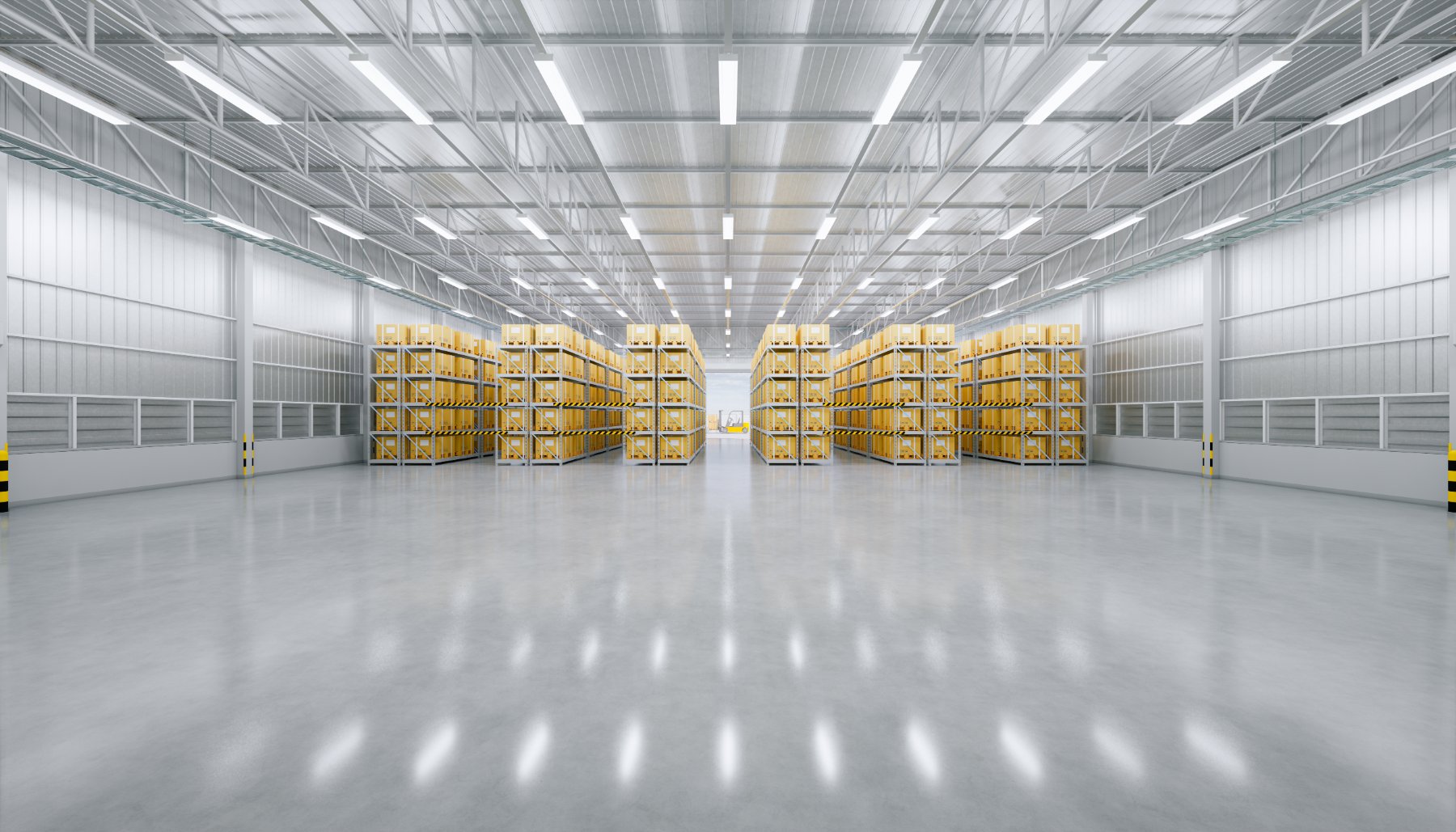
Steellogy warehouse

Controlled production

Every Steellogy blade is manufactured in our own facility. We do not buy finished parts and rebrand them. This gives us direct communication between engineering and production, repeatable manufacturing conditions, and the flexibility to handle non-standard or urgent orders.

Quality assurance

Quality control covers material selection, finished-part inspection and a defined response when something needs attention.

Material control

We work with high-grade European tool steels selected for the application, including D2 / 1.2379, M2 / 1.3343, PM grades and tungsten carbide tipping where the geometry requires it. The material grade is agreed for each order.

We work with high-grade European tool steels selected for the application, including D2 / 1.2379, M2 / 1.3343, PM grades and tungsten carbide tipping where the geometry requires it.

Final inspection

Each batch is inspected before dispatch. Dimensions are checked against the drawing, and hardness (HRC) is measured on a representative finished part. Parts that do not meet the agreed specification are not packed.

Complaint procedure

Every complaint follows the same internal procedure: we review the available evidence, identify the cause, respond and define corrective action where required. This keeps the investigation tied to the order and the reported operating conditions.

Every complaint follows the same internal procedure: we review the available evidence, identify the cause, respond and define corrective action where required.